
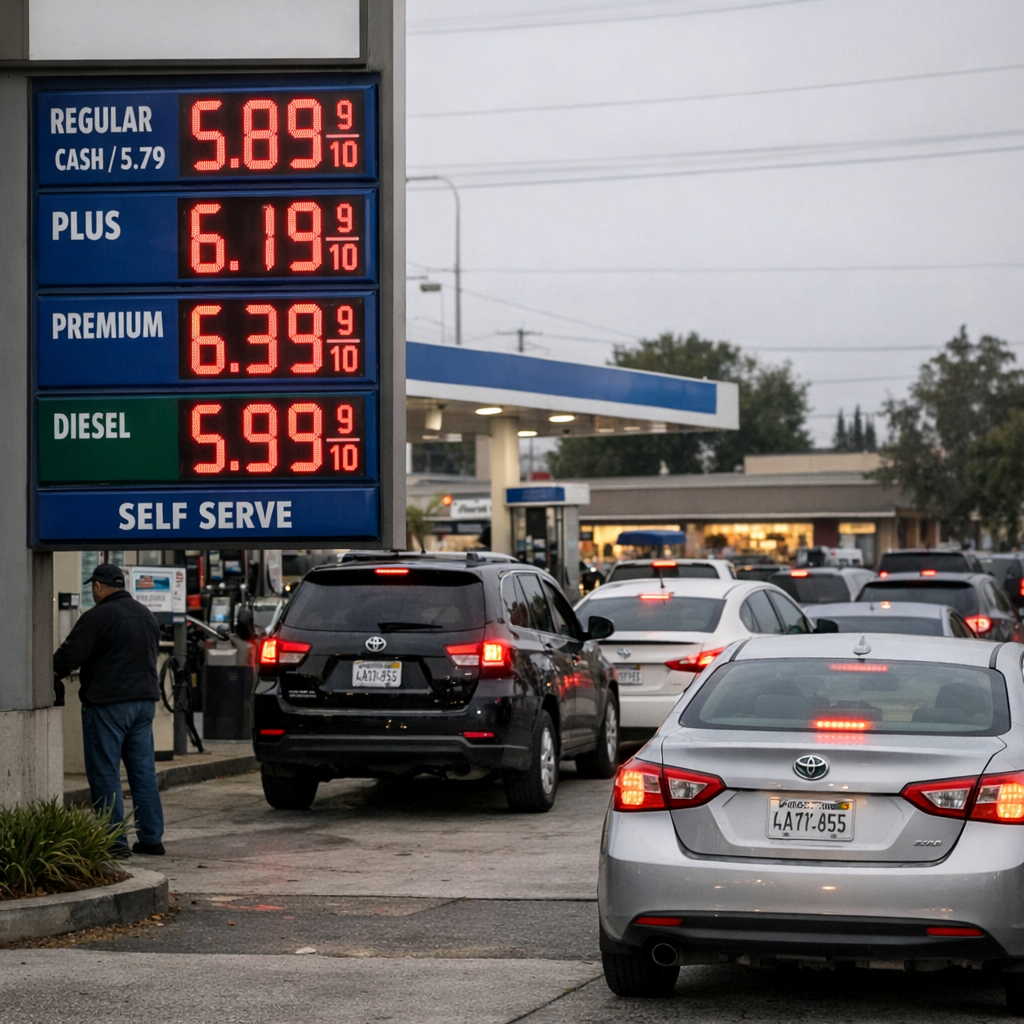
As inflation reaches a three-year high of 4.2%, driven largely by escalating energy prices, Americans are grappling with significant economic challenges. The ongoing conflict in Iran has disrupted oil supplies, leading to gas prices exceeding $4.50 per gallon nationally, with some states experiencing prices over $5. This surge has intensified financial strain on households, many of whom are cutting back on spending and dipping into savings to cope.
In response to these economic pressures, public approval of President Donald Trump’s handling of the economy has declined. A recent YouGov/Economist poll indicates that only 29% of Americans approve of his economic management, marking a record low during his tenure. Additionally, 70% disapprove of his handling of the cost-of-living crisis, surpassing disapproval ratings of previous administrations.
The Federal Reserve, under new Chair Kevin Warsh, is closely monitoring these developments. While the Fed has held interest rates steady, future hikes are being considered to address persistent inflation. Businesses are also feeling the impact, with higher costs and tariffs imposed in 2025 leading to cutbacks and changes in consumer behavior.
Despite these challenges, job growth remains strong, providing a glimmer of hope in an otherwise turbulent economic landscape. However, the rising costs of essentials like gas and groceries continue to weigh heavily on American families, prompting calls for policy interventions to alleviate financial burdens.
As the nation navigates these economic uncertainties, it is crucial for policymakers to address the root causes of inflation and implement strategies to stabilize the economy, ensuring that the American Dream remains attainable for all.