

As global climate patterns continue to evolve, Alaska stands at the forefront of experiencing significant environmental transformations. The Arctic is warming over twice as fast as the global average, leading to profound changes in our state’s ecosystems and communities.
Accelerated Warming and Ecosystem Changes
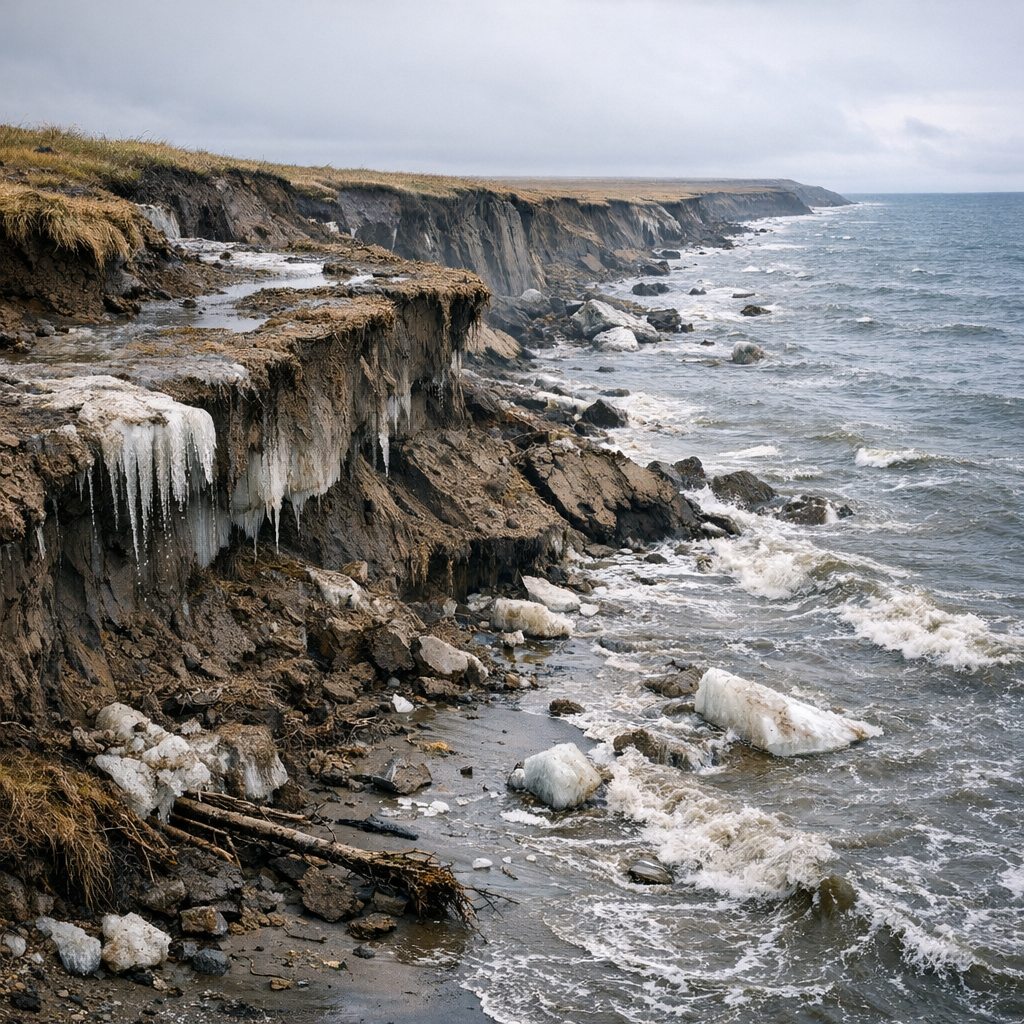
The 2025 Arctic Report Card highlights that the past water year (October 2024–September 2025) was the warmest on record, with unprecedented autumn temperatures. This rapid warming has resulted in shorter snow seasons, accelerated melting of sea and glacier ice, and thawing permafrost. Such changes have cascading effects on local wildlife and vegetation, disrupting traditional subsistence lifestyles and challenging infrastructure stability.
Increased Wildfire Activity
Warmer temperatures and drier conditions have contributed to more frequent and intense wildfires. By mid-September 2025, Alaska experienced an estimated 1.68 million acres burned, roughly double the 10-year average. These fires not only threaten human settlements but also alter habitats and release significant amounts of carbon dioxide, further exacerbating climate change.
Rising Sea Levels and Coastal Erosion
Melting ice contributes to rising sea levels, intensifying coastal erosion. Many Alaska Native communities, particularly in western Alaska, face increased risks from flooding and land loss. The term ‘Usteq,’ a Yup’ik word meaning catastrophic ground collapse due to permafrost thaw, flooding, and erosion, describes the severe impacts being observed.
International Energy Dynamics
Global energy demands and geopolitical shifts influence Alaska’s economy. The state’s position in national and international energy markets remains dynamic, with decisions on oil exports and foreign investments directly affecting local industries. For instance, as countries seek alternatives to Russian energy sources, there is renewed interest in Alaska’s liquefied natural gas (LNG) exports.
Community Resilience and Adaptation
Despite these challenges, Alaskan communities are demonstrating resilience. Indigenous groups are leading grassroots observation and adaptation efforts, emphasizing the importance of traditional knowledge in addressing climate impacts. Collaborative initiatives between local communities, scientists, and policymakers are essential to develop sustainable strategies for the future.
Understanding the interplay between global climate events and local impacts is crucial for Alaska. By staying informed and proactive, we can navigate these changes and work towards a resilient and sustainable future for our state.